
52 Sacred Ghats of Pushkar: Bathing Rules & Aarti Summary
Pushkar Lake features 52 sacred bathing ghats with round-the-clock free public access. The evening Maha Aarti takes place daily at 6:30 PM to 7:30 PM at Brahma Ghat and Varah Ghat. Visitors must remove footwear before stepping onto any ghat embankment. Bathing (snan) is permitted in designated areas, while photography of bathers is strictly prohibited.
Священное окружение
Озеро Пушкар окружено 52 гхатами – ступенчатыми насыпями, ведущими к святой воде. Паломники совершали здесь ритуальные омовения (снан) уже более 2000 лет, веря, что погружение в священные воды смывает прошлые грехи и дарует мокшу (освобождение).
Каждый гхат носит имя правителя, святого или божества, построившего или освятившего его, что является живым свидетельством многовекового королевского покровительства и преданности.
Фотографировать пустые гаты и пейзажи разрешено, но фотографировать верующих, купающихся или совершающих ритуалы, строго запрещено из уважения к их частной жизни и религиозным чувствам. Всегда проверяйте местные указатели. Фотосъемка во время главного вечернего аарти обычно не допускается.
Самые священные Гаты
1. Брахма Гхат – Центральный Гхат.
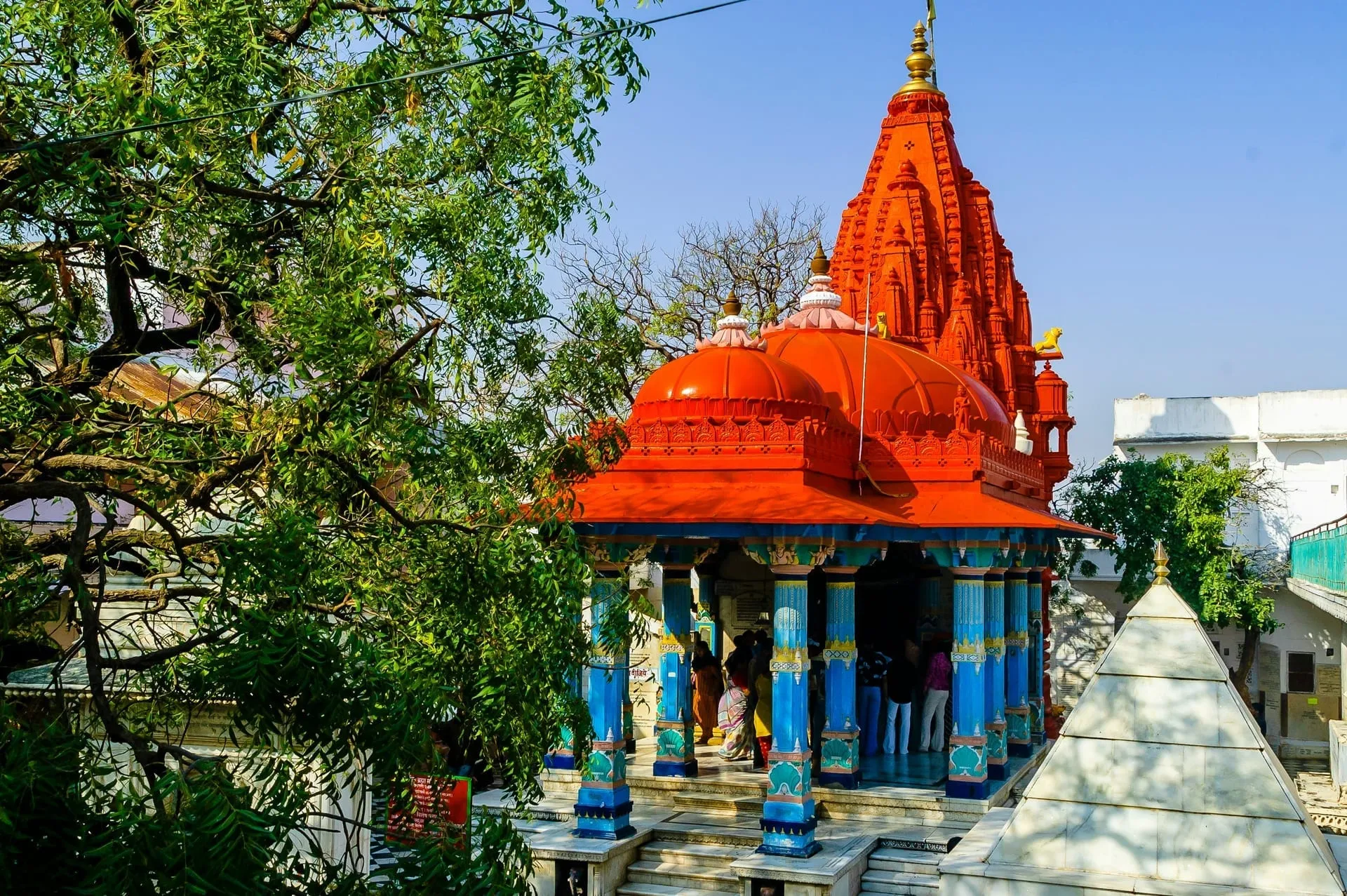
Это самый почитаемый гхат в Пушкаре. Говорят, что это место, где сам Господь Брахма совершил яджну (огненное жертвоприношение), чтобы создать озеро. Это место отмечено святилищем с золотым шпилем. Паломники сначала принимают здесь ритуальное омовение Пушкар Снан.
Подходит для: Вечернего аарти (18:30–19:30) | Фотография: разрешена на расстоянии, не во время церемоний.
2. Вараха Гхат
Этот гхат с красивой резьбой, посвященный аватару Господа Вишну (Варахе), имеет богато украшенные колонны и местного священника, который ежедневно совершает пуджу. Каменные ступени стерты веками ног паломников.
3. Ягья Гхат
Ягья Гхат считается священным и связан с легендарной яджной (огненным жертвоприношением), совершаемым Господом Брахмой. Это главный центр ежедневных ритуалов, вечерних молитв и духовного очищения, привлекающий преданных, которые совершают специальные подношения в поисках божественных благословений.
4. Гау Гат
Первоначально построенный королевской семьей раджпутов, Гау Гхат имеет глубокое историческое значение. Сегодня это самый важный гхат асти висарджан – ритуальное погружение кремированных останков – привлекающий семьи со всей Индии, которые ищут мира и освобождения для своих ушедших предков. Во главе гата находится небольшой храм Ганеши, который поддерживается совместно королевскими семьями раджпутов и маратхов.
5. Бадри Гхат
Бадри Гхат посвящен Господу Бадринатху (аватару Господа Вишну). Этот гхат выделяется во время фестивалей и окружен древними святынями. Он предлагает спокойную атмосферу для купания, утренней медитации и вознесения молитв, обеспечивая безмятежный отдых от оживленных центральных гатов.
Interactive 52 Ghats Directory
Filter all 52 ghats by ritual activity, royal dynasty, sunset views, or search instantly by name and deity.
Brahma Ghat
The central and most revered ghat where Lord Brahma performed his cosmic yajna. The starting point for the ritual Pushkar Snan holy dip and daily evening Maha Aarti.
Varaha Ghat
Dedicated to Lord Vishnu boar incarnation (Varaha). Features ornately carved pillars and hosts the prominent daily 6:30 PM sunset Maha Aarti with brass oil lamps.
Yagya Ghat
Site of the legendary fire sacrifice. Major hub for specialized Vedic rituals, family ancestral pujas, and spiritual purification offerings.
Gau Ghat (Gandhi Ghat)
Historically built by Rajput royalty. Premier ghat for asthi visarjan (ancestral ashes immersion); Mahatma Gandhi ashes were immersed here in 1948.
Badri Ghat
Dedicated to Lord Badrinath. Lined with ancient shrines, offering a peaceful haven for morning meditation, calm bathing, and tranquil reflection.
Pachdevri Ghat
Named after the five small shrines flanking its steps. Features ancient Rajasthani stone pavilions and calm waters set back from main market paths.
Holkar (Ahilya) Ghat
Built in the 18th century by the devout Queen Ahilyabai Holkar of Indore. Renowned for classical Maratha stonework and shaded bathing colonnades.
Jaipur (Man Singh) Ghat
Commissioned by Maharaja Man Singh I of Amber (Jaipur). Features an imposing royal pavilion offering panoramic views across the water at golden hour.
Gwalior Ghat
Constructed under the royal patronage of Gwalior Scindia dynasty. Adjoins the sacred Koteshwar Mahadev temple steps.
Kota Ghat
Erected by the Maharao of Kota, featuring magnificent overhanging stone jharokhas that capture desert breezes and frame lake vistas.
Bundi Ghat
Built by the rulers of Bundi. Famous for its tiered sandstone embankments and delicate architectural arches reflecting classical Hadoti craftsmanship.
Saptarishi Ghat
Dedicated to the Seven Celestial Vedic Sages (Saptarishis). A deeply serene retreat favored by yogis for early morning meditation.
Guru Gobind Singh Ghat
Commemorates the 1706 stay of the 10th Sikh Guru, Guru Gobind Singh Ji, who recited the Guru Granth Sahib here; inscribed with historical records.
Janana (Queen Mary) Ghat
Constructed in 1911 for Queen Mary of the United Kingdom during the British royal visit, creating a private screened bathing pavilion for women.
Gangaur Ghat
Focal waterfront for Pushkar vibrant Gangaur spring festival, where local women carry decorated earthen pots and idols of Goddess Gauri in procession.
Nagar Ghat
Directly links Pushkar Bazaar historic gateways to the lake embankment, serving as a popular daily bathing access point for local residents.
Ram Ghat
Associated with Lord Rama pilgrimage to Pushkar. Pilgrims perform morning sun worship and tarpan offerings facing the early sunrise.
Chir Ghat
Shaded by sacred peepal and banyan trees, this quiet landing is tied to Krishna legends and provides a cool haven during afternoon hours.
Mukti Ghat
Believed to grant spiritual liberation (mukti) to departed ancestors; a contemplative stone landing where solemn prayers are chanted.
Jagannath Ghat
Dedicated to Lord Jagannath of Puri, frequented by pilgrims completing the pan-Indian Char Dham pilgrimage circuit.
Asthal Ghat
Historic congregation point for Dashanami and Nath ascetics traveling between Pushkar sacred mountain shrines and the lake.
Bhind Bhadawar Ghat
Built by the rulers of Bhind and Bhadawar with thick sandstone retaining walls designed to withstand monsoon water fluctuations.
Vishram (Jhulelal) Ghat
A traditional resting place (vishram) for tired pilgrims; highly revered by the Sindhi community for Lord Jhulelal celebrations and Cheti Chand.
Kurmanchal Ghat
Established by travelers from Uttarakhand Kumaon and Garhwal regions, serving as their cultural and spiritual base during the Kartik festival.
Chandra Ghat
Named for Chandra Dev (the Moon God). Particularly enchanting during Kartik Poornima when thousands of floating earthen diyas illuminate the water.
Indra Ghat
Consecrated to Lord Indra; ancient Vedic texts record that sages made rain and harvest offerings here during historical desert droughts.
Bagula Ghat
Houses a sacred shrine to Goddess Bagalamukhi, one of the ten Mahavidyas, sought by devotees for inner strength and protection.
Panch Vir Ghat
Commemorates five ascetic warrior-guardians who defended the sanctity of the Pushkar shrines during medieval eras.
Jaisalmer (Kishangarh) Ghat
Constructed with distinctive yellow Jaisalmer sandstone; royal gift commemorating ties between the houses of Jaisalmer and Kishangarh.
Balunda Ghat
Endowed by the noble estate of Balunda; secluded, narrow stepped landing favored by local sadhus for morning contemplation.
Vir Gurjara Ghat
Honors the vibrant heritage of Rajasthan Gurjara community and the folk tradition of Lord Devnarayan.
Sikar Ghat
Built by the Shekhawat rulers of Sikar, featuring classic domed chhatris overlooking the southern lake banks.
Swarup Vallabh Ghat
Commissioned by Maharana Swarup Singh of Udaipur; an expansive open waterfront terrace facing western sunsets behind Ratnagiri Hill.
Hingor Mal Ka Mahal Ghat
Fronted by an ancient two-storey arched royal pavilion erected by courtier Hingor Mal, offering panoramic vistas of Savitri Temple.
Tantuvaya Vaishya Ghat
Historically sponsored by weaver and merchant guilds; features broad, clean stone platforms ideal for peaceful morning rituals.
Chauri Paidi Ghat
Named for its unusually wide stone steps (Chauri Paidi) that safely accommodate vast crowds during the Kartik full moon festival.
Kalyan Ghat
Located in front of the ornate Rama Baikunth Temple, echoing with evening devotional hymns and South Indian temple music.
Raj Bohra Ghat
Just steps from the Jagatpita Brahma Temple; historically designated for visiting state officials and prime ministers of Rajput courts.
Karni Ghat
Dedicated to Goddess Karni Mata; a peaceful sanctum where pilgrims offer sweets and seek divine protection for safe journeys.
Tarni Ghat
Renowned for morning water oblations (arghya) offered to Surya Dev; clear waters and easy descent steps.
Parashuram Ghat
Associated with Sage Parashurama and the nearby centuries-old Nimbarka Sampradaya monastic seat; exceptionally quiet.
Savitri Ghat
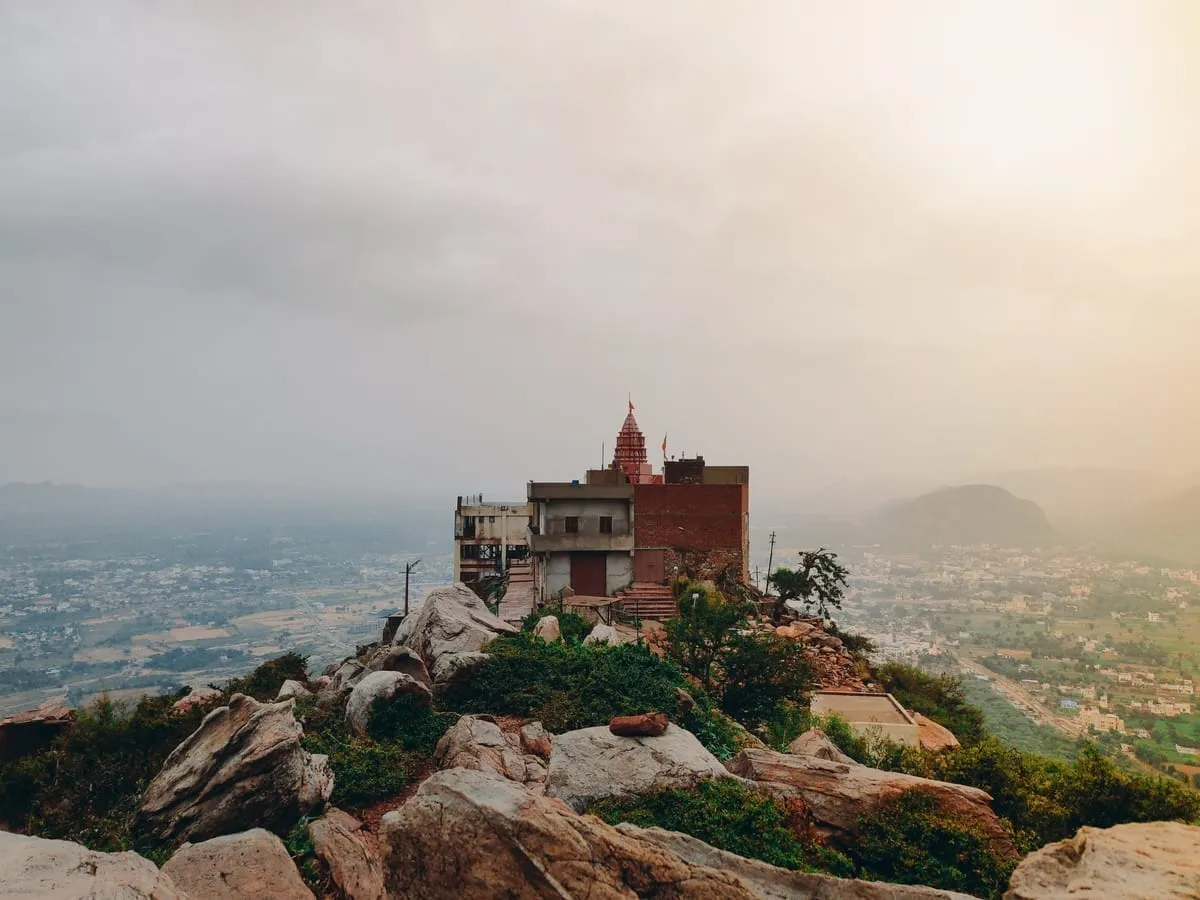
Marks the traditional lakeside starting point for the mountain climb up Ratnagiri Hill toward Savitri Mata Temple.
Dadhicha (Hada) Ghat
Named for Sage Dadhichi, famed for divine sacrifice; later renovated and maintained by the Hada Rajput rulers of Kota.
Sati Ghat
Features medieval stone cenotaphs documenting the history and valor of royal dynasties across historic Rajasthan.
Shitla Mata Ghat
Small, serene waterfront shrine dedicated to Sheetla Mata, revered by mothers praying for the health and well-being of children.
Chhik Mata Ghat
Ancient folk goddess shrine embedded in stone walls, reflecting Pushkar unique synthesis of Vedic and desert indigenous beliefs.
Bharatpur Ghat
Built by legendary Jat ruler Maharaja Suraj Mal of Bharatpur; wide, sturdy platforms built with deep red Bharatpur sandstone.
Rehgaran (Shaheed) Ghat
Dedicated to local soldiers and community veterans; a dignified, peaceful gathering space away from commercial stalls.
Koteshwar Mahadev Ghat
Waterfront steps leading to the ancient Koteshwar Mahadev shrine, where pilgrims pour sacred lake water over the holy Shiva Lingam.
Jodhpur Ghat
Erected by the Rathore Maharajas of Jodhpur; massive stone embankments with prime front-row views of Pushkar desert sunsets.
Bikaner Ghat
Constructed by Bikaner royalty with delicate sandstone jali screens, blending desert fortifications with lakefront elegance.
Mahadev (Shiva) Ghat
Enshrined with waterfront Shiva lingams; devotees perform dawn water abhishekam and light butter lamps as morning bells chime.
Зоны Гата по активности
Гаты 1–18. Самая священная зона, включающая гхаты Брахмы, Варахи и Ягья. Активные церемонии пуджи в течение дня.
Гаты 19–30. Более тихие гаты, спонсируемые королевской семьей, идеально подходят для созерцания и утренней фотосъемки (с разрешения).
Гаты 31–42. Более уединенный, в тени вековых деревьев. Виды на восход солнца из южного угла исключительны.
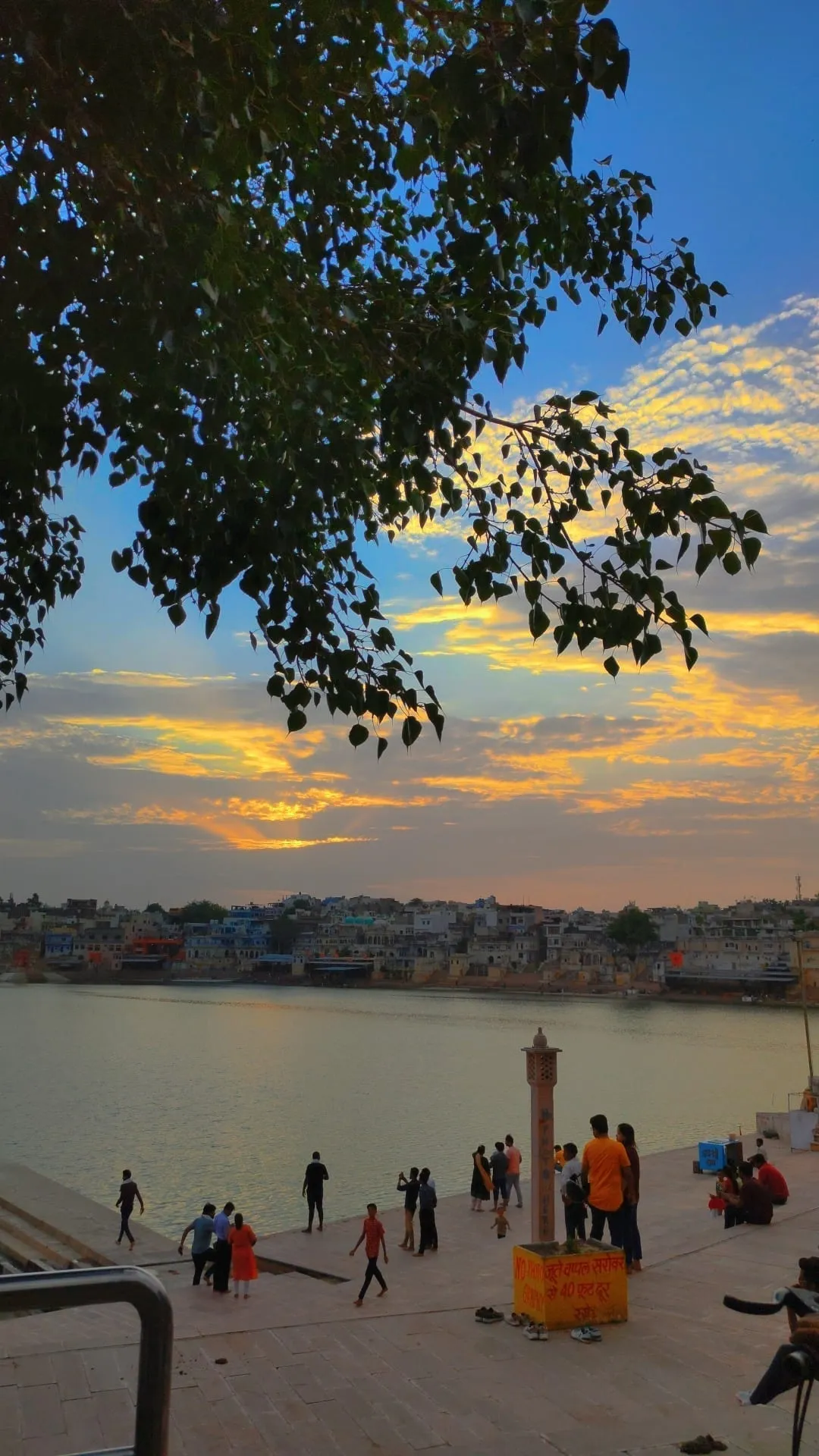
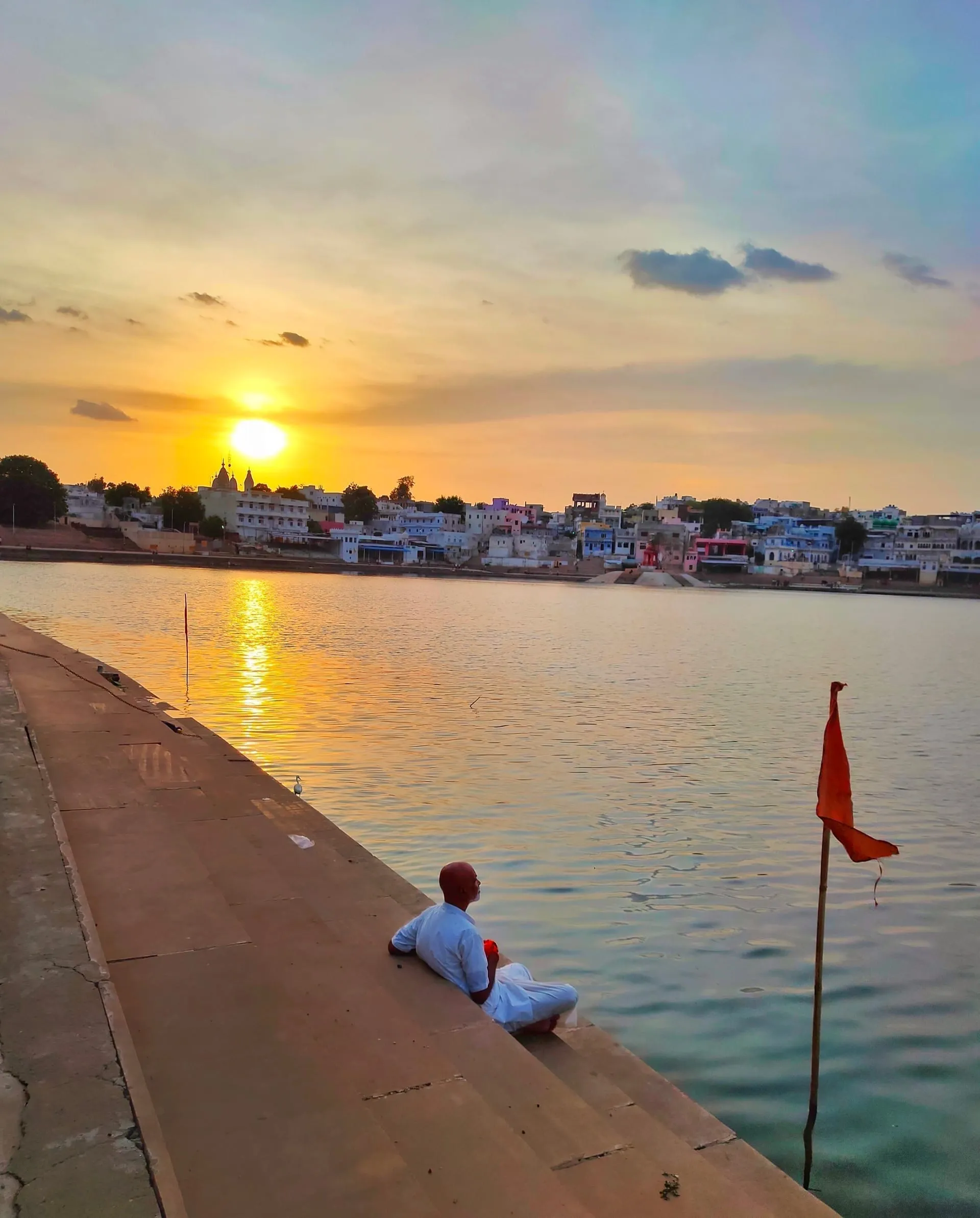
Гаты 43–52. Гаты, обращенные к закату, — самые популярные смотровые площадки золотого часа.
Ежедневные ритуалы в Гатах
- Мангала Аарти (5:30–6:00): Церемония зажжения лампы перед восходом солнца, проводимая храмовыми священниками.
- Пушкар Снан (Рассвет – 9:00): Ритуальное омовение паломников, особенно набожных в благоприятные дни.
- Обряды Шраддхи (утром): ритуалы памяти предков, выполняемые семейными священниками.
- Подношение цветов (в течение дня): гирлянды бархатцев плавали на поверхности озера.
- Сандхья Аарти (18:30–19:30): Вечерний ритуал с лампами — самый зрелищный, с одновременно зажигаемыми сотнями дий (масляных ламп).
Правила фотографии
Основные советы для посетителей
- Снимайте обувь перед спуском по ступеням гхата — имеется специальное помещение для хранения обуви.
- Одевайтесь скромно – см. правила дресс-кода
- Не заходите в воду озера, если не совершите настоящий ритуал: случайное купание считается неуважением.
- Гаты наиболее многолюдны в экадаши (11-й день лунного цикла) и в ночи полнолуния.
- Принесите небольшое подношение: гирлянды из бархатцев продаются у входа в гхат.