
52 Sacred Ghats of Pushkar: Bathing Rules & Aarti Summary
Pushkar Lake features 52 sacred bathing ghats with round-the-clock free public access. The evening Maha Aarti takes place daily at 6:30 PM to 7:30 PM at Brahma Ghat and Varah Ghat. Visitors must remove footwear before stepping onto any ghat embankment. Bathing (snan) is permitted in designated areas, while photography of bathers is strictly prohibited.
El cerco sagrado
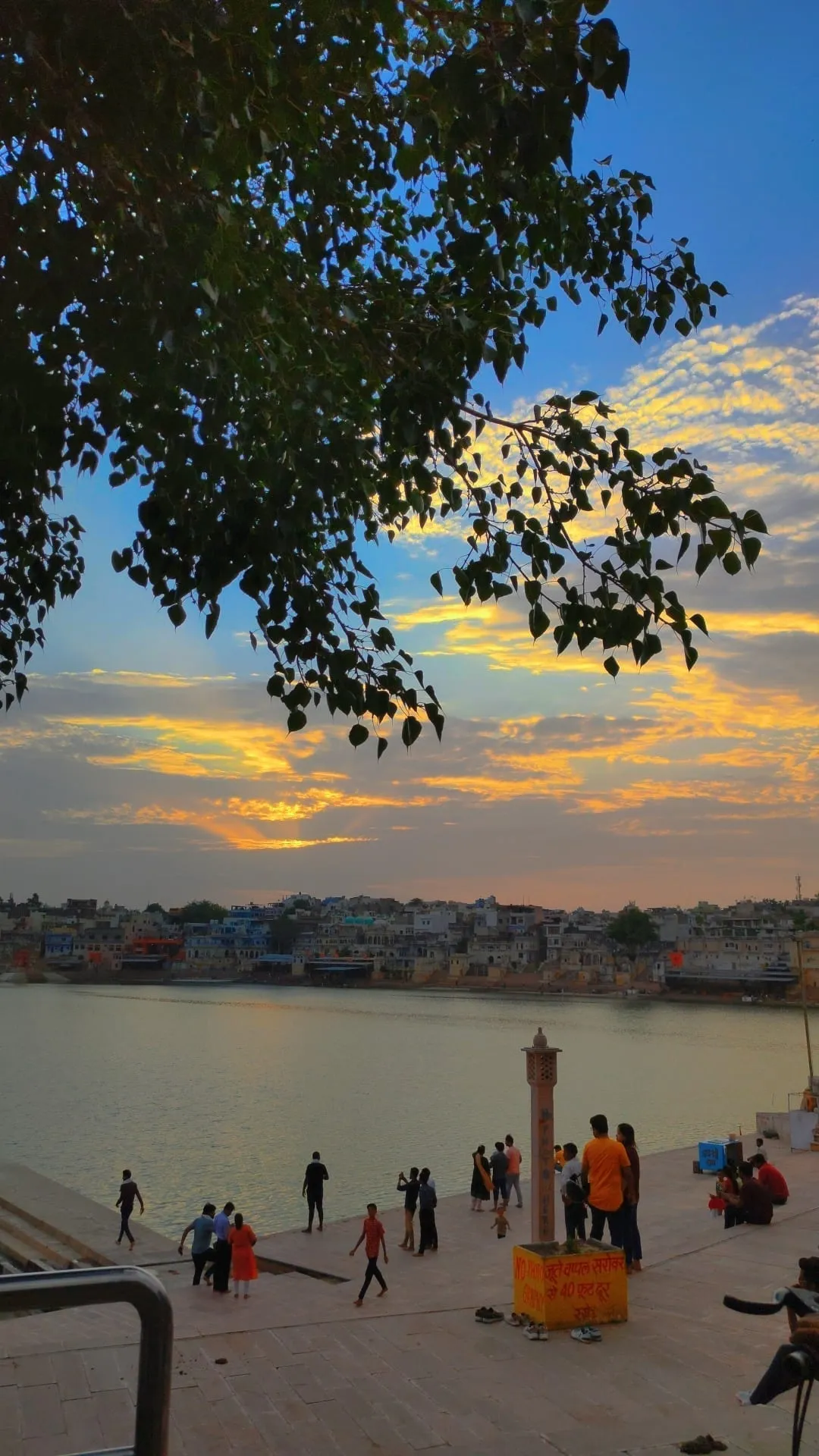
El lago Pushkar está rodeado por 52 ghats para bañarse, terraplenes escalonados que conducen al agua bendita. Los peregrinos han realizado baños rituales (snan) aquí durante más de 2000 años, creyendo que un chapuzón en las aguas sagradas lava los pecados pasados y otorga moksha (liberación).
Cada ghat lleva el nombre de un gobernante, santo o deidad que lo construyó o consagró, creando un testimonio viviente de siglos de patrocinio y devoción real.
Se permite la fotografía de ghats y paisajes vacíos, pero está estrictamente prohibido fotografiar a los devotos bañándose o realizando rituales para respetar su privacidad y sus sentimientos religiosos. Siempre verifique la señalización local. Por lo general, no se permite la fotografía durante el aarti de la noche principal.
Los Ghats más sagrados
1. Brahma Ghat - El Ghat Central
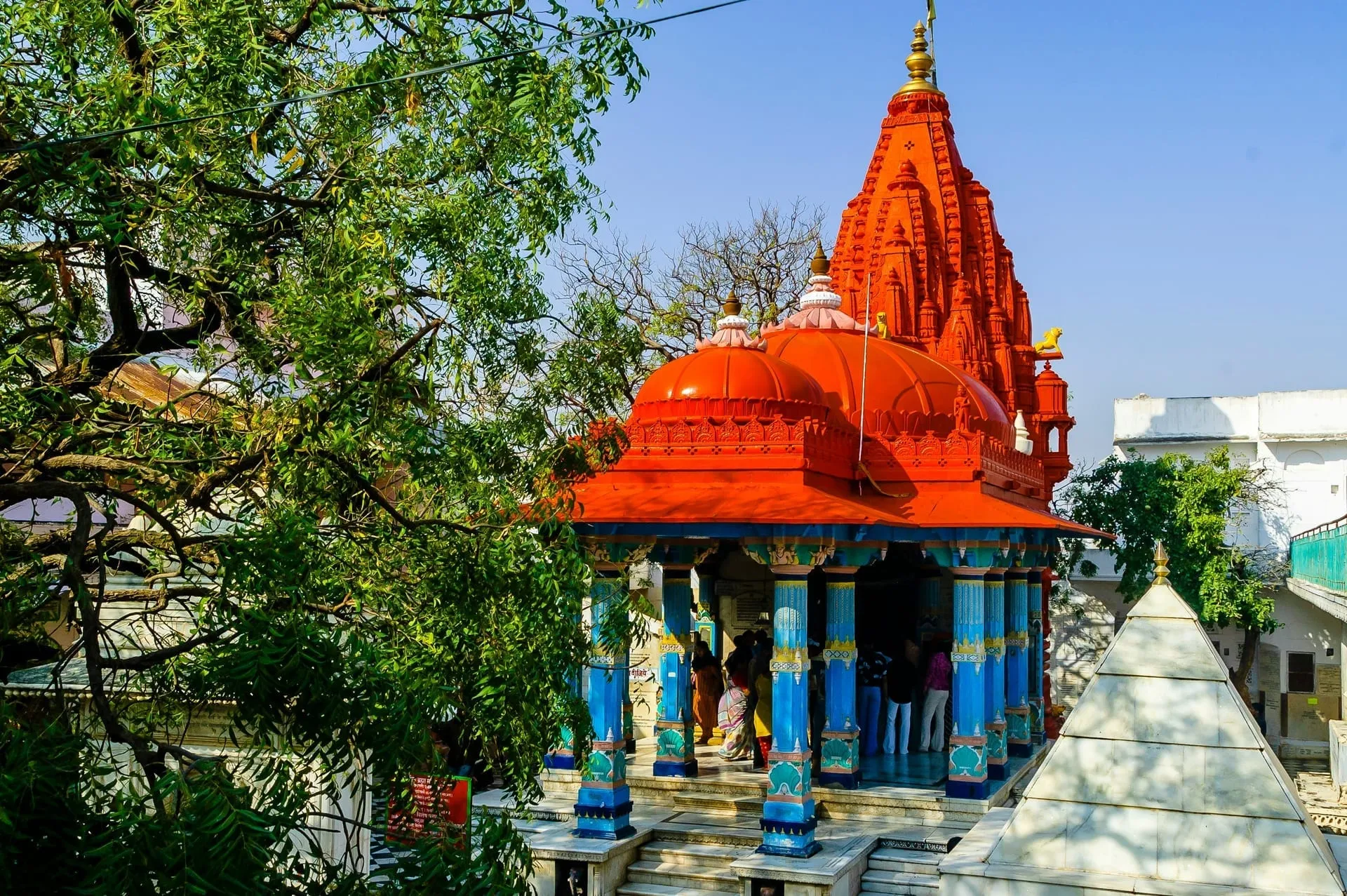
Este es el ghat más venerado de Pushkar y se dice que es el lugar donde el propio Señor Brahma realizó un yagna (sacrificio de fuego) para crear el lago. Un santuario con agujas doradas marca el lugar. Los peregrinos toman aquí primero el baño ritual Pushkar Snan.
Ideal para: Aarti nocturno (de 6:30 a 7:30 p. m.) | Fotografía: Permitida a distancia, no durante ceremonias.
2. Varaha Ghat
Dedicado al avatar jabalí del Señor Vishnu (Varaha), este ghat bellamente tallado presenta pilares ornamentados y un sacerdote residente que realiza puja diariamente. Los escalones de piedra están desgastados por siglos de pies de peregrinos.
3. Yagya Ghat
Yagya Ghat se considera muy sagrado, asociado con el legendario yagna (sacrificio de fuego) realizado por Lord Brahma. Es un centro importante para los rituales diarios, las oraciones vespertinas y la limpieza espiritual, y atrae a devotos que realizan ofrendas especializadas en busca de bendiciones divinas.
4. Gau Ghat
Originalmente construido por la realeza Rajput, Gau Ghat tiene un profundo significado histórico. Hoy en día, es el ghat más importante para asthi visarjan (la inmersión ritual de restos cremados), que atrae a familias de toda la India que buscan paz y liberación para sus ancestros fallecidos. El ghat cuenta con un pequeño santuario de Ganesha en su cabecera y lo mantienen conjuntamente las familias reales Rajput y Maratha.
5. Badri Ghat
Badri Ghat está dedicado a Lord Badrinath (un avatar de Lord Vishnu). Este ghat se destaca durante los festivales y está lleno de santuarios antiguos. Ofrece una atmósfera tranquila para bañarse, meditar por la mañana y ofrecer oraciones, lo que proporciona un escape sereno de los ghats centrales más concurridos.
Interactive 52 Ghats Directory
Filter all 52 ghats by ritual activity, royal dynasty, sunset views, or search instantly by name and deity.
Brahma Ghat
The central and most revered ghat where Lord Brahma performed his cosmic yajna. The starting point for the ritual Pushkar Snan holy dip and daily evening Maha Aarti.
Varaha Ghat
Dedicated to Lord Vishnu boar incarnation (Varaha). Features ornately carved pillars and hosts the prominent daily 6:30 PM sunset Maha Aarti with brass oil lamps.
Yagya Ghat
Site of the legendary fire sacrifice. Major hub for specialized Vedic rituals, family ancestral pujas, and spiritual purification offerings.
Gau Ghat (Gandhi Ghat)
Historically built by Rajput royalty. Premier ghat for asthi visarjan (ancestral ashes immersion); Mahatma Gandhi ashes were immersed here in 1948.
Badri Ghat
Dedicated to Lord Badrinath. Lined with ancient shrines, offering a peaceful haven for morning meditation, calm bathing, and tranquil reflection.
Pachdevri Ghat
Named after the five small shrines flanking its steps. Features ancient Rajasthani stone pavilions and calm waters set back from main market paths.
Holkar (Ahilya) Ghat
Built in the 18th century by the devout Queen Ahilyabai Holkar of Indore. Renowned for classical Maratha stonework and shaded bathing colonnades.
Jaipur (Man Singh) Ghat
Commissioned by Maharaja Man Singh I of Amber (Jaipur). Features an imposing royal pavilion offering panoramic views across the water at golden hour.
Gwalior Ghat
Constructed under the royal patronage of Gwalior Scindia dynasty. Adjoins the sacred Koteshwar Mahadev temple steps.
Kota Ghat
Erected by the Maharao of Kota, featuring magnificent overhanging stone jharokhas that capture desert breezes and frame lake vistas.
Bundi Ghat
Built by the rulers of Bundi. Famous for its tiered sandstone embankments and delicate architectural arches reflecting classical Hadoti craftsmanship.
Saptarishi Ghat
Dedicated to the Seven Celestial Vedic Sages (Saptarishis). A deeply serene retreat favored by yogis for early morning meditation.
Guru Gobind Singh Ghat
Commemorates the 1706 stay of the 10th Sikh Guru, Guru Gobind Singh Ji, who recited the Guru Granth Sahib here; inscribed with historical records.
Janana (Queen Mary) Ghat
Constructed in 1911 for Queen Mary of the United Kingdom during the British royal visit, creating a private screened bathing pavilion for women.
Gangaur Ghat
Focal waterfront for Pushkar vibrant Gangaur spring festival, where local women carry decorated earthen pots and idols of Goddess Gauri in procession.
Nagar Ghat
Directly links Pushkar Bazaar historic gateways to the lake embankment, serving as a popular daily bathing access point for local residents.
Ram Ghat
Associated with Lord Rama pilgrimage to Pushkar. Pilgrims perform morning sun worship and tarpan offerings facing the early sunrise.
Chir Ghat
Shaded by sacred peepal and banyan trees, this quiet landing is tied to Krishna legends and provides a cool haven during afternoon hours.
Mukti Ghat
Believed to grant spiritual liberation (mukti) to departed ancestors; a contemplative stone landing where solemn prayers are chanted.
Jagannath Ghat
Dedicated to Lord Jagannath of Puri, frequented by pilgrims completing the pan-Indian Char Dham pilgrimage circuit.
Asthal Ghat
Historic congregation point for Dashanami and Nath ascetics traveling between Pushkar sacred mountain shrines and the lake.
Bhind Bhadawar Ghat
Built by the rulers of Bhind and Bhadawar with thick sandstone retaining walls designed to withstand monsoon water fluctuations.
Vishram (Jhulelal) Ghat
A traditional resting place (vishram) for tired pilgrims; highly revered by the Sindhi community for Lord Jhulelal celebrations and Cheti Chand.
Kurmanchal Ghat
Established by travelers from Uttarakhand Kumaon and Garhwal regions, serving as their cultural and spiritual base during the Kartik festival.
Chandra Ghat
Named for Chandra Dev (the Moon God). Particularly enchanting during Kartik Poornima when thousands of floating earthen diyas illuminate the water.
Indra Ghat
Consecrated to Lord Indra; ancient Vedic texts record that sages made rain and harvest offerings here during historical desert droughts.
Bagula Ghat
Houses a sacred shrine to Goddess Bagalamukhi, one of the ten Mahavidyas, sought by devotees for inner strength and protection.
Panch Vir Ghat
Commemorates five ascetic warrior-guardians who defended the sanctity of the Pushkar shrines during medieval eras.
Jaisalmer (Kishangarh) Ghat
Constructed with distinctive yellow Jaisalmer sandstone; royal gift commemorating ties between the houses of Jaisalmer and Kishangarh.
Balunda Ghat
Endowed by the noble estate of Balunda; secluded, narrow stepped landing favored by local sadhus for morning contemplation.
Vir Gurjara Ghat
Honors the vibrant heritage of Rajasthan Gurjara community and the folk tradition of Lord Devnarayan.
Sikar Ghat
Built by the Shekhawat rulers of Sikar, featuring classic domed chhatris overlooking the southern lake banks.
Swarup Vallabh Ghat
Commissioned by Maharana Swarup Singh of Udaipur; an expansive open waterfront terrace facing western sunsets behind Ratnagiri Hill.
Hingor Mal Ka Mahal Ghat
Fronted by an ancient two-storey arched royal pavilion erected by courtier Hingor Mal, offering panoramic vistas of Savitri Temple.
Tantuvaya Vaishya Ghat
Historically sponsored by weaver and merchant guilds; features broad, clean stone platforms ideal for peaceful morning rituals.
Chauri Paidi Ghat
Named for its unusually wide stone steps (Chauri Paidi) that safely accommodate vast crowds during the Kartik full moon festival.
Kalyan Ghat
Located in front of the ornate Rama Baikunth Temple, echoing with evening devotional hymns and South Indian temple music.
Raj Bohra Ghat
Just steps from the Jagatpita Brahma Temple; historically designated for visiting state officials and prime ministers of Rajput courts.
Karni Ghat
Dedicated to Goddess Karni Mata; a peaceful sanctum where pilgrims offer sweets and seek divine protection for safe journeys.
Tarni Ghat
Renowned for morning water oblations (arghya) offered to Surya Dev; clear waters and easy descent steps.
Parashuram Ghat
Associated with Sage Parashurama and the nearby centuries-old Nimbarka Sampradaya monastic seat; exceptionally quiet.
Savitri Ghat
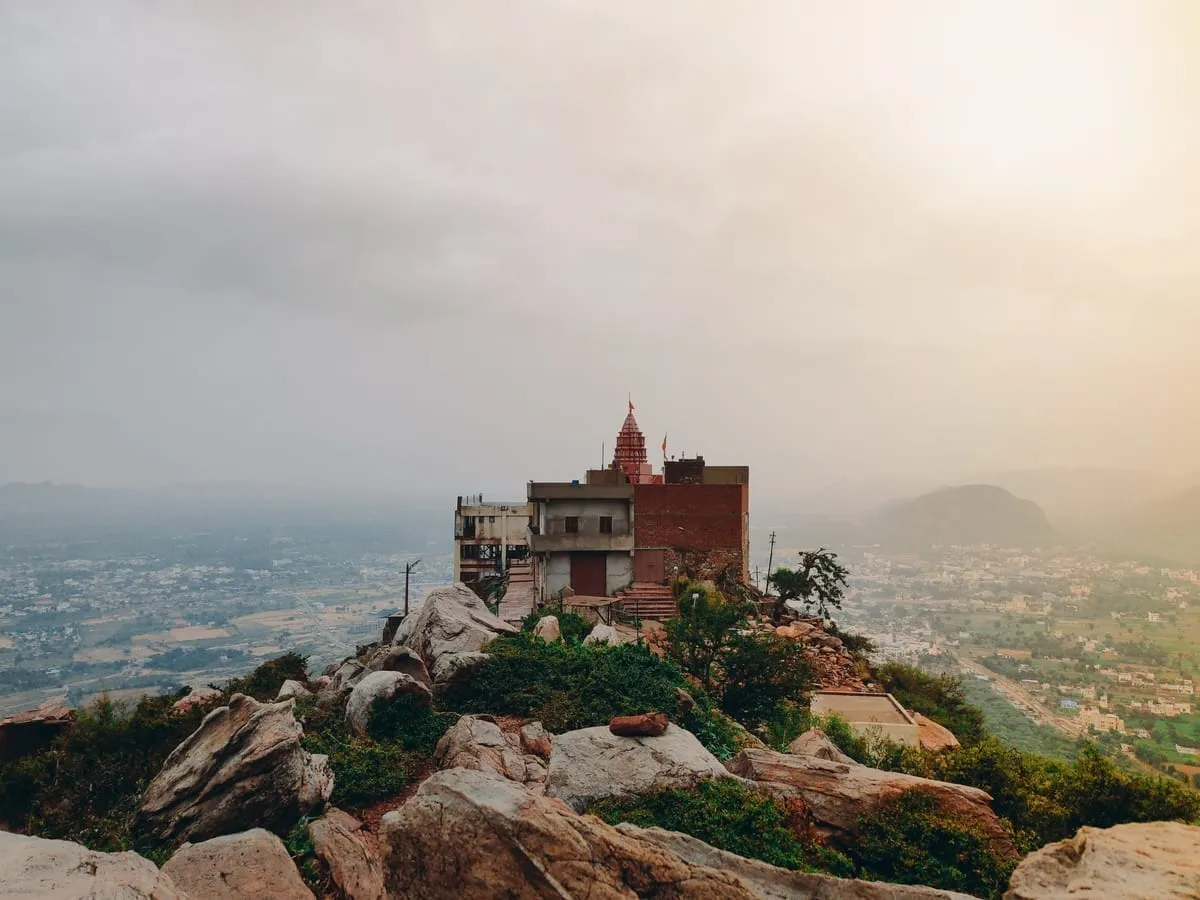
Marks the traditional lakeside starting point for the mountain climb up Ratnagiri Hill toward Savitri Mata Temple.
Dadhicha (Hada) Ghat
Named for Sage Dadhichi, famed for divine sacrifice; later renovated and maintained by the Hada Rajput rulers of Kota.
Sati Ghat
Features medieval stone cenotaphs documenting the history and valor of royal dynasties across historic Rajasthan.
Shitla Mata Ghat
Small, serene waterfront shrine dedicated to Sheetla Mata, revered by mothers praying for the health and well-being of children.
Chhik Mata Ghat
Ancient folk goddess shrine embedded in stone walls, reflecting Pushkar unique synthesis of Vedic and desert indigenous beliefs.
Bharatpur Ghat
Built by legendary Jat ruler Maharaja Suraj Mal of Bharatpur; wide, sturdy platforms built with deep red Bharatpur sandstone.
Rehgaran (Shaheed) Ghat
Dedicated to local soldiers and community veterans; a dignified, peaceful gathering space away from commercial stalls.
Koteshwar Mahadev Ghat
Waterfront steps leading to the ancient Koteshwar Mahadev shrine, where pilgrims pour sacred lake water over the holy Shiva Lingam.
Jodhpur Ghat
Erected by the Rathore Maharajas of Jodhpur; massive stone embankments with prime front-row views of Pushkar desert sunsets.
Bikaner Ghat
Constructed by Bikaner royalty with delicate sandstone jali screens, blending desert fortifications with lakefront elegance.
Mahadev (Shiva) Ghat
Enshrined with waterfront Shiva lingams; devotees perform dawn water abhishekam and light butter lamps as morning bells chime.
Zonas de Ghat por actividad
Ghats 1–18. La zona más sagrada, incluidos los ghats Brahma, Varaha y Yagya. Ceremonias de puja activas durante todo el día.
Ghats 19-30. Ghats más tranquilos patrocinados por la realeza: ideales para la contemplación y la fotografía matutina (con permiso).
Ghats 31–42. Más apartado, a la sombra de árboles centenarios. Las vistas del amanecer desde la esquina sur son excepcionales.
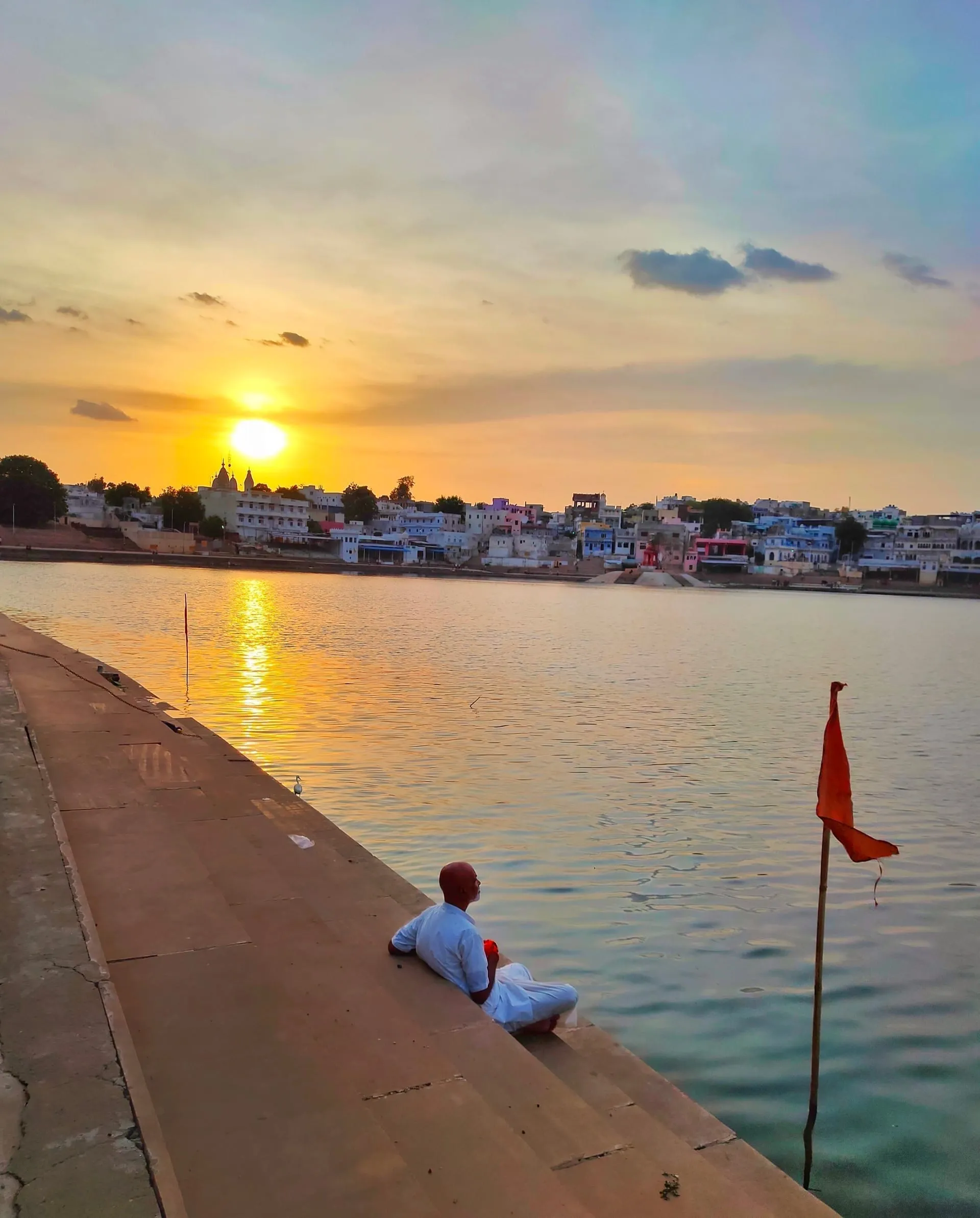
Ghats 43–52. Ghats orientados al atardecer: los miradores más populares durante la hora dorada.
Rituales diarios en los Ghats
- Mangala Aarti (5:30–6:00 a. m.): ceremonia de la lámpara antes del amanecer, realizada por los sacerdotes del templo
- Pushkar Snan (amanecer–9:00 a. m.): baño ritual de los peregrinos, especialmente devoto en los días auspiciosos
- Ritos de Shraddha (mañana): rituales conmemorativos ancestrales realizados por sacerdotes familiares
- Ofrenda de flores (durante todo el día): Guirnaldas de caléndulas flotaban en la superficie del lago
- Sandhya Aarti (6:30–7:30 p. m.): Ritual de la lámpara nocturna: el más espectacular, con cientos de diyas (lámparas de aceite) encendidas simultáneamente
Reglas de fotografía
Consejos esenciales para los visitantes
- Quítese los zapatos antes de descender los escalones del ghat: hay espacio para guardar zapatos designado
- Vístase con modestia: consulte las pautas del código de vestimenta
- No entre al agua del lago a menos que realice un ritual real: nadar ocasionalmente es una falta de respeto.
- Los ghats están más concurridos en Ekadashi (undécimo día del ciclo lunar) y en las noches de luna llena.
- Traiga una pequeña ofrenda: se venden guirnaldas de caléndulas en las entradas de los ghats.