

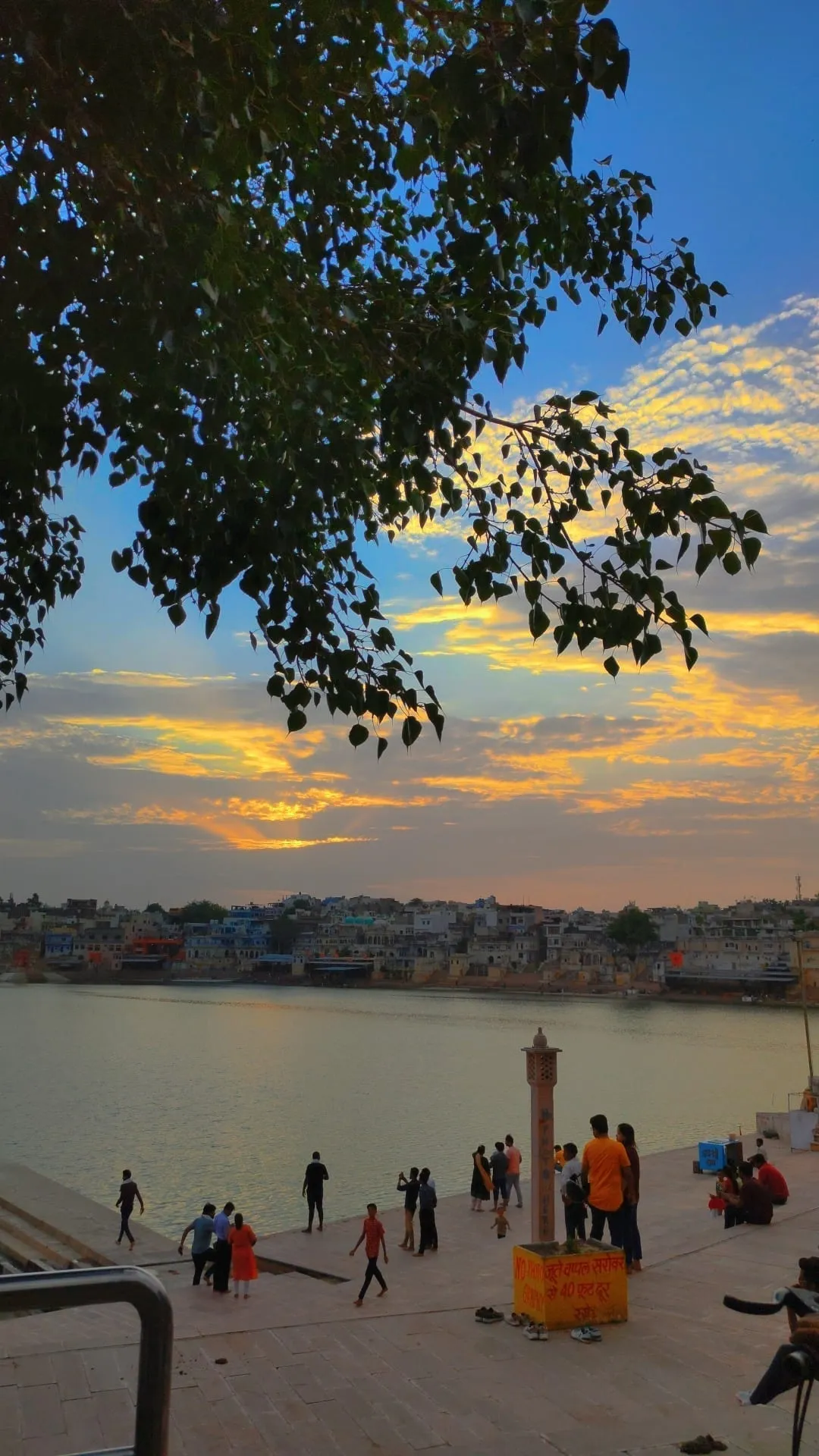
How to Reach Pushkar: Ajmer & Jaipur Travel Summary
Pushkar is located 14 km from Ajmer Junction railway station. Travelers can reach Pushkar from Ajmer by local bus (₹20, departing every 20 minutes), shared auto (₹50–₹100), or private taxi (₹500, 30 minutes). The nearest airport is Jaipur International Airport (145 km, ~3 hours by taxi for ₹2,500), followed by Kishangarh regional airport (45 km).
Getting to Pushkar
By Train (Recommended)
The nearest railway station is Ajmer Junction, 14km from Pushkar town. Ajmer is well-connected to Delhi (5–6 hours), Jaipur (2 hours), Jodhpur (3 hours), and Mumbai (12–16 hours).
From Ajmer station, take a local bus (₹20, every 20 mins), shared auto-rickshaw (₹50–₹100), or private taxi (₹500) to Pushkar through the scenic Nag Pahar mountain pass — a 30-minute journey.
By Bus
Rajasthan State Transport buses run directly to Pushkar from Jaipur (3 hours), Jodhpur (4 hours), and Udaipur (6 hours). The bus stand in Pushkar is centrally located.
By Air
The nearest airport is Jaipur International Airport (145km), followed by Kishangarh Airport (33km) — a newer regional airport with growing connectivity. Taxis are readily available from both airports to Pushkar.
Getting Around Pushkar
Pushkar is a compact town — almost everything is walkable within 20–30 minutes. The main bazaar, all major ghats, and key temples can be reached on foot from most guesthouses.
- Walking: The best way to explore. Most streets are too narrow for vehicles
- Auto-rickshaw: For reaching the fair grounds or the Savitri ropeway base station. Agree on a price before boarding
- Two-wheeler rental (Scooty/Bike): Available from multiple shops near the bus stand. Perfect for exploring the outskirts
- Camel cart: Novelty rides around the bazaar area — fun but slow
Where to Stay
Restored traditional mansions with courtyards, jharokha windows and rooftop terraces. The most atmospheric stay.
Hotels directly overlooking the lake — perfect for watching sunrise rituals from your window. Higher prices but worth every rupee.
Family-run guesthouses in the bazaar lanes offer excellent value with rooftop communal areas. Ideal for solo travelers and backpackers.
Tent camps on the outskirts with campfires and stargazing. Very atmospheric but requires transport into town.
Accommodation during the Pushkar Camel Fair (October–November full moon) sells out months in advance. Book by August at the latest. Prices increase 3–5x during this period.
Local Etiquette & Rules
Weather & Best Time to Visit
Temperatures 15–30°C. Clear skies, cool evenings. November brings the Camel Fair. February brings Holi. Perfect for all activities.
Temperatures rising to 35–42°C. Busy during Holi. Crowds thin after March. Mornings and evenings pleasant; avoid midday activities.
Extreme desert heat: 40–48°C. Brief monsoon rains in July–August can cause flash flooding. Not recommended for visiting.
Camel Fair. Kartik Poornima. The most spectacular time to visit — but also the most expensive and crowded. Book everything months ahead.
What to Pack
- Lightweight cotton kurta or salwar kameez (or buy on arrival — bazaar prices are excellent)
- Comfortable walking shoes — the ghats have uneven, slippery stone steps
- Small day backpack for ghat visits
- Sunscreen (SPF 50+) and a wide-brimmed hat — desert UV is intense
- Reusable water bottle with filter
- Cash — many small shops and street stalls don't accept cards. ATMs available in town
- Flip-flops for constant shoe removal at ghats and temples
- Warm layer for evenings October–February (temperatures can drop to 8°C)
Safety & Local Tips
- Photography: Respect the "No Photography" signs at the main ghats, especially where people are bathing or performing rituals. Avoid pointing cameras directly at bathers.