
1. Architectural Fusion: Where South Meets North
This temple in Pushkar is widely celebrated for its brilliant synthesis of traditional Indian design styles.
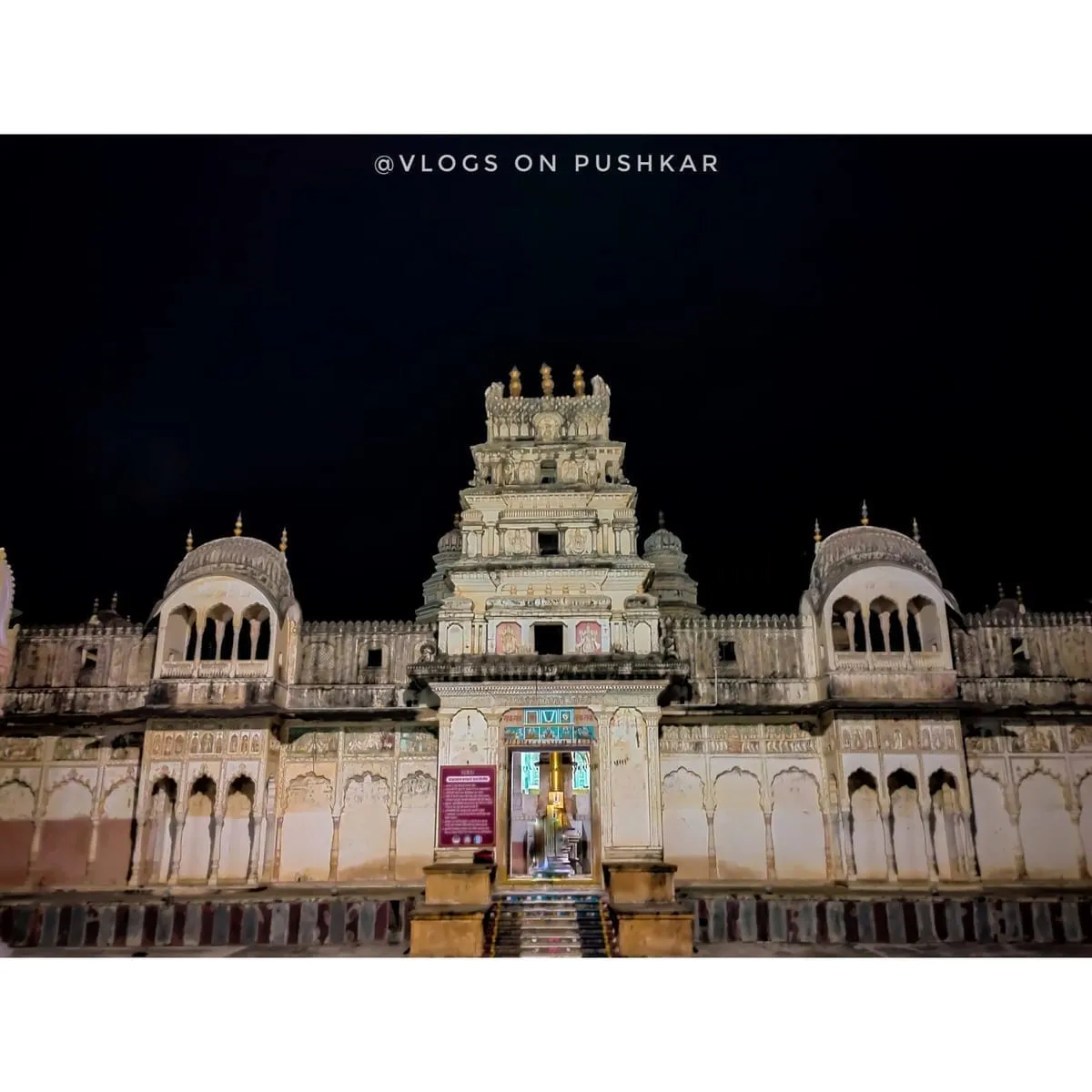
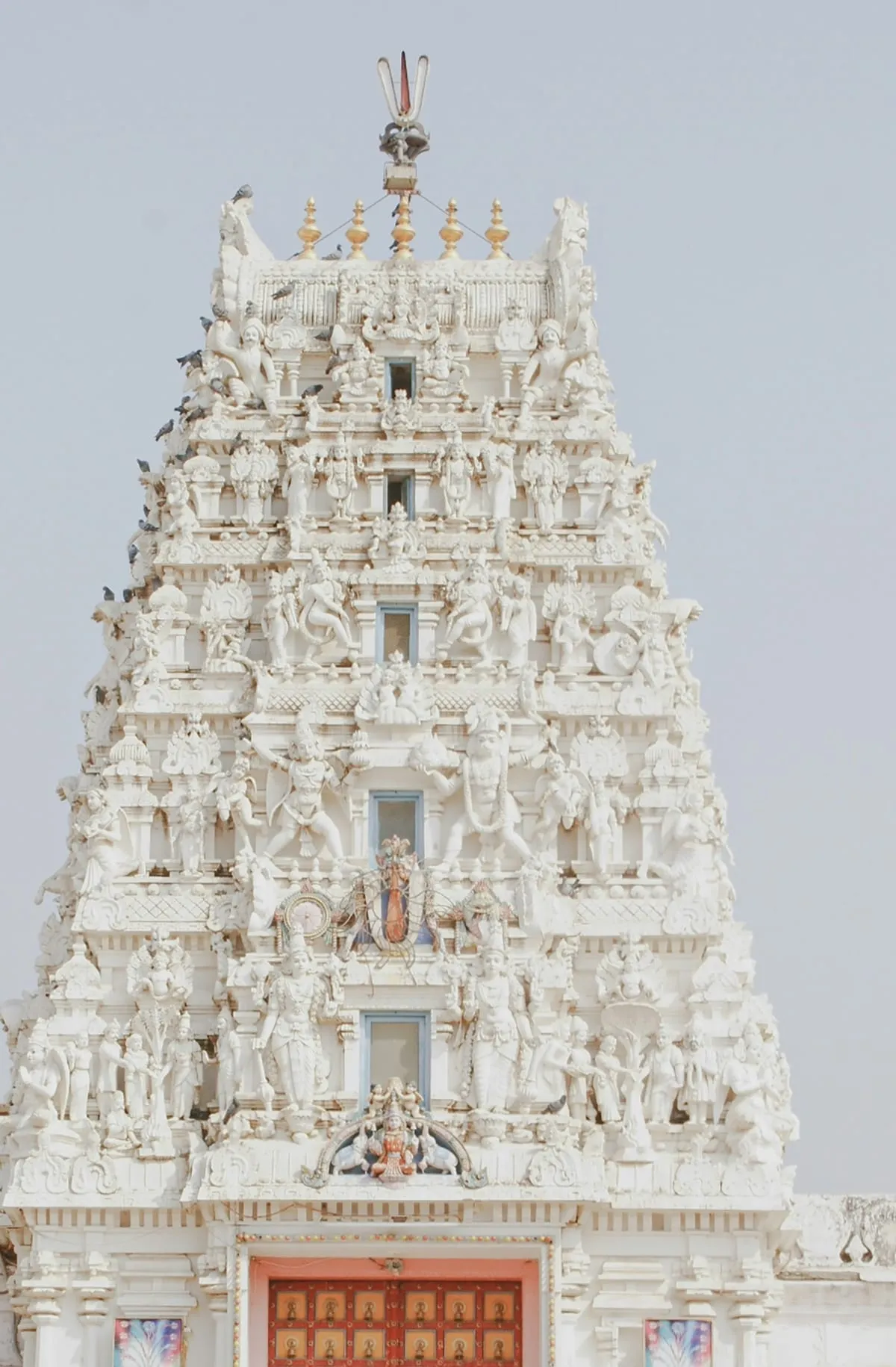
- The Dravidian Gopuram: The most captivating feature is the towering Gopuram (monumental entrance tower) built by specialized masons brought in from South India. The white outer spire features 361 intricately carved depictions of various Hindu deities, creating a visual scripture that rises dramatically against the skyline.
- Rajputana and Mughal Touches: Beyond the main gateway, the layout features elements of North Indian design, including elegant jharokhas (overhanging enclosed balconies), ornate sandstone pavilions, and courtyard aesthetics typical of Rajput and Mughal architecture.
- The Guardian Garudas: Look closely at the high outer walls — all four corners are embedded with stone statues of Garuda (the mythical eagle vehicle of Lord Vishnu), signaling that you are entering a Vaikuntha realm.
2. Spiritual Lineage and Shrines
Built around 1922, this temple belongs to the Sri Vaishnava Sampradaya (the orthodox school founded by the 11th-century philosopher Ramanujacharya). It specifically adheres to the strict Jayakhyam Samhita rituals, meaning its daily ceremonies and prayers are performed entirely in classical Sanskrit.
Inside the sprawling complex, you will find a primary inner sanctum (Nijmandir) and eight auxiliary shrines:
- The Main Deity: Lord Vaikuntha Venkatesh (an incarnation of Lord Vishnu) standing in a majestic posture. The inner sanctum is designed uniquely so the main idol can be clearly seen from multiple angles.
- Consort Shrines: Separate shrines dedicated to Vishnu's consorts — Goddess Lakshmi and Goddess Godamba (Andal).
- Other Idols: Shrines dedicated to Lord Rama, Lord Krishna, Lord Srirangnath, and Sudarshan Bhagwan.
- The Golden Flagstaff: Directly in front of the inner temple stands a shimmering, golden Garuda Dhwaja Khambha (sacred flagstaff). During annual festivals, this pillar becomes the epicenter of high-energy rituals lasting ten days.
- Sheesh Mahal: A small, intricately decorated mirror-work hall within the complex that showcases sacred paintings and images of the deities under brilliant glasswork reflection.
3. Quick Reference Fact Sheet
Shri Rama Vaikunth Nath Temple
New Rangji Temple / Naya Rangji Mandir
1922 (Distinct from the Old Rangji Temple built in 1823)
Sri Vaishnavism (Ramanuja Sect)
361 Deities on the Gopuram, Golden Dhwaja Pillar, Sheesh Mahal
4. Visitor Tips and Practical Guidelines
Photography and videography are strictly prohibited inside the inner courtyards and the main sanctum. Additionally, entry to the innermost prayer hall may be restricted for non-Hindus.
6:00 AM – 12:00 PM & 4:00 PM – 9:00 PM daily. Early mornings offer a peaceful atmosphere; sunsets illuminate the carvings magnificently.
Modest attire required — shoulders and knees must be covered. Traditional or formal clothing is preferred. Rental clothing available at entrance.
There is absolutely no entry fee to visit or explore the temple complex.
Leave your shoes at the designated counters outside the gateway before stepping into the main stone complex.
5. How to Reach
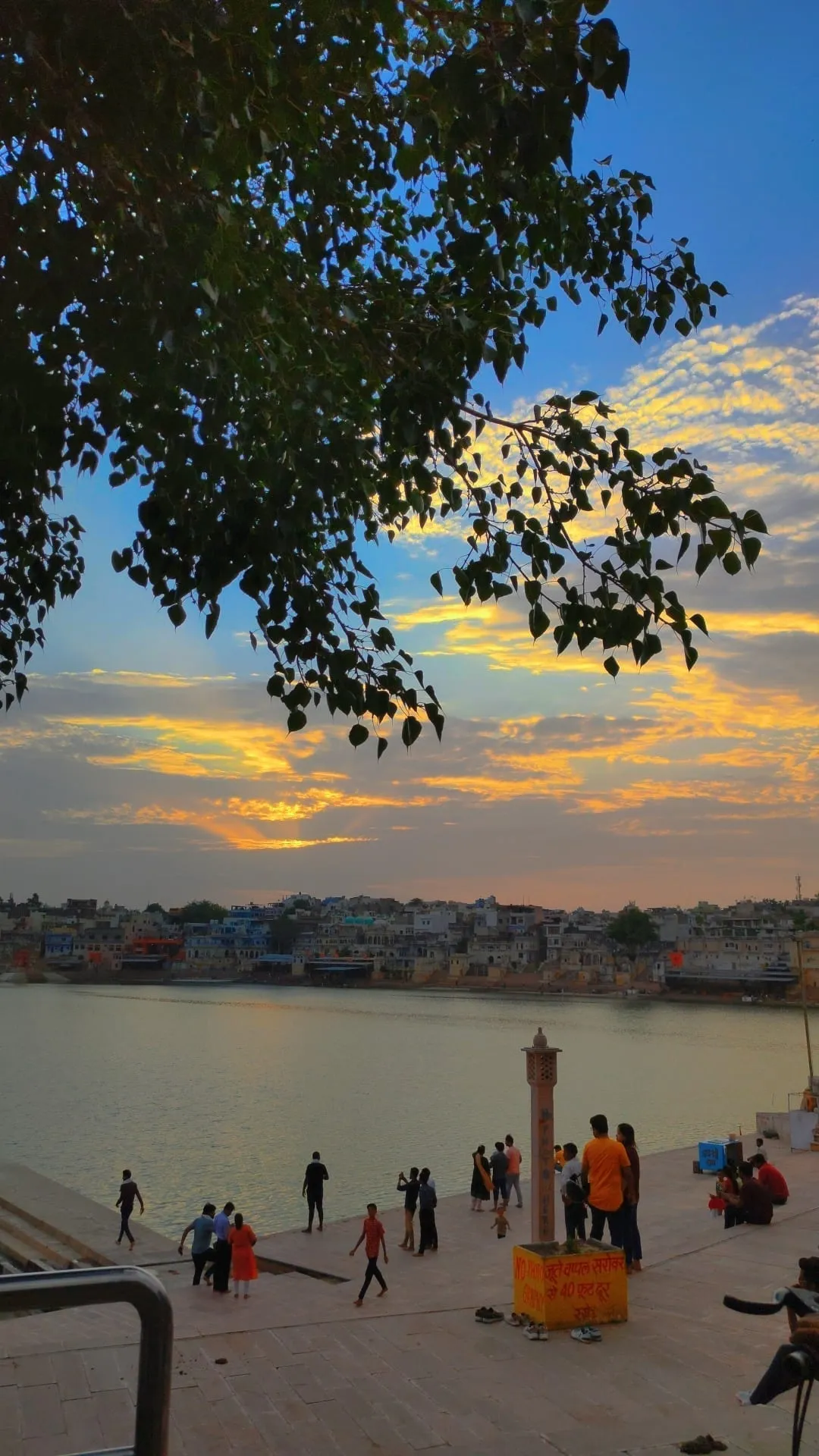
The temple is centrally located in Pushkar, making it an easy, short walk from the main market area and the banks of Pushkar Lake.
- From the main market: 5–7 minute walk
- From Pushkar Lake: 10-minute walk through the bazaar lanes
- From Pushkar Bus Stand: 15-minute walk